Multiple Modes

There is a continuing argument in the Self-Preservation training community on what constitutes the “best” training. 

A shooting-centric person may push for a set standard – you must be an ‘“A’ class level shooter or you will be killed in the street. Or perhaps the gun focused person will pontificate that you must have a certain piece of gear set up exactly as they choose, and if you do not, then you are “ a poor, lazy, or stupid” (an actual quote from someone in the gun community BTW). If the commentator is from the military of LE side, they may push the narrative that if you are not doing shoothouse CQB then you are not prepared for combat. 

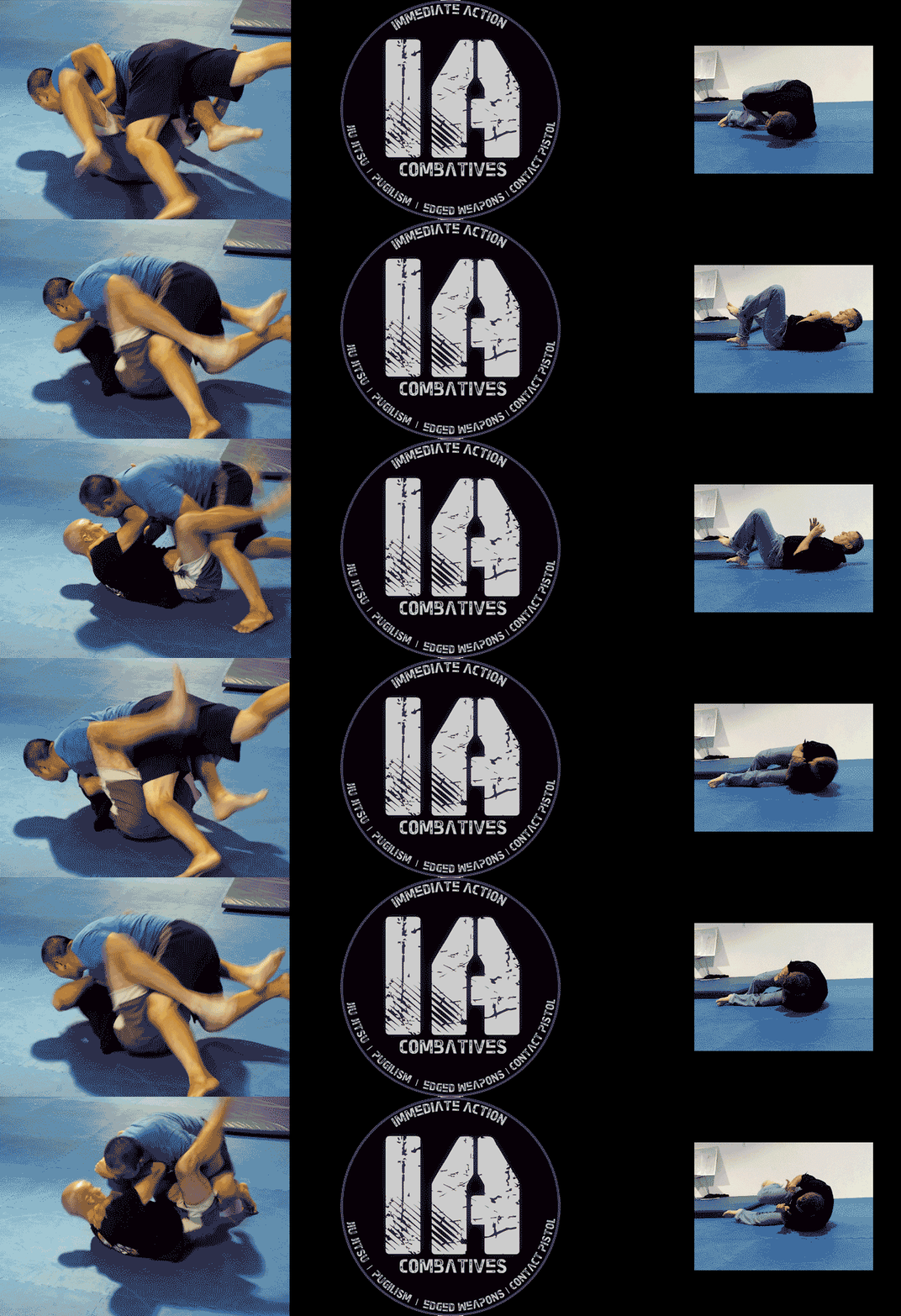
A person coming from the combatives H2H side may argue that if you are not at least a purple belt in Brazilian Jiu-Jitsu, you are not serious about fighting. Someone who loves to light weights and do heavy cardio could try to belittle you if you can’t squat twice your bodyweight and therefore you are lazy and not serious about self-defense. 

It goes on and on. Gatekeepers will try to say their preferred gate is the only path to being truly ready for the street.

The discussion is important, but there is so much wasted bandwidth spent on the subject because the underlying premise is completely false – THERE IS NO PERFECT TRAINING METHOD/DRILL. 

No singular modality matches any “fight”. Not a single one. Nothing can completely recreate and match the requirements of real world combat. For two simple reasons. 

One, real world combat is not a singular thing. It can look different in hundreds of ways. The conflict may be a methhead accosting you at a Gas ‘n’ Sip. Or it may be a mob of teenagers running up to you as you leave a restaurant. Or it may be an active shooter rampaging in the mall you are in as you shop with your two small children. Perhaps it is a dedicated ambush of a LEO on the job. I could go on. How can any one training paradigm prepare you for the possibility of all of these? 

And the second reason that no single method is complete is because no matter how hard we try, and how clever we are, when we are training, we can never be surprised. There is not a single way to simulate surprise when you have already made the commitment to show up at a given time, at a given location, and have agreed to participate in training with other people. All of those things preclude the ability to be surprised, and so we can never completely replicate reality, where we will be surprised in some fashion. 

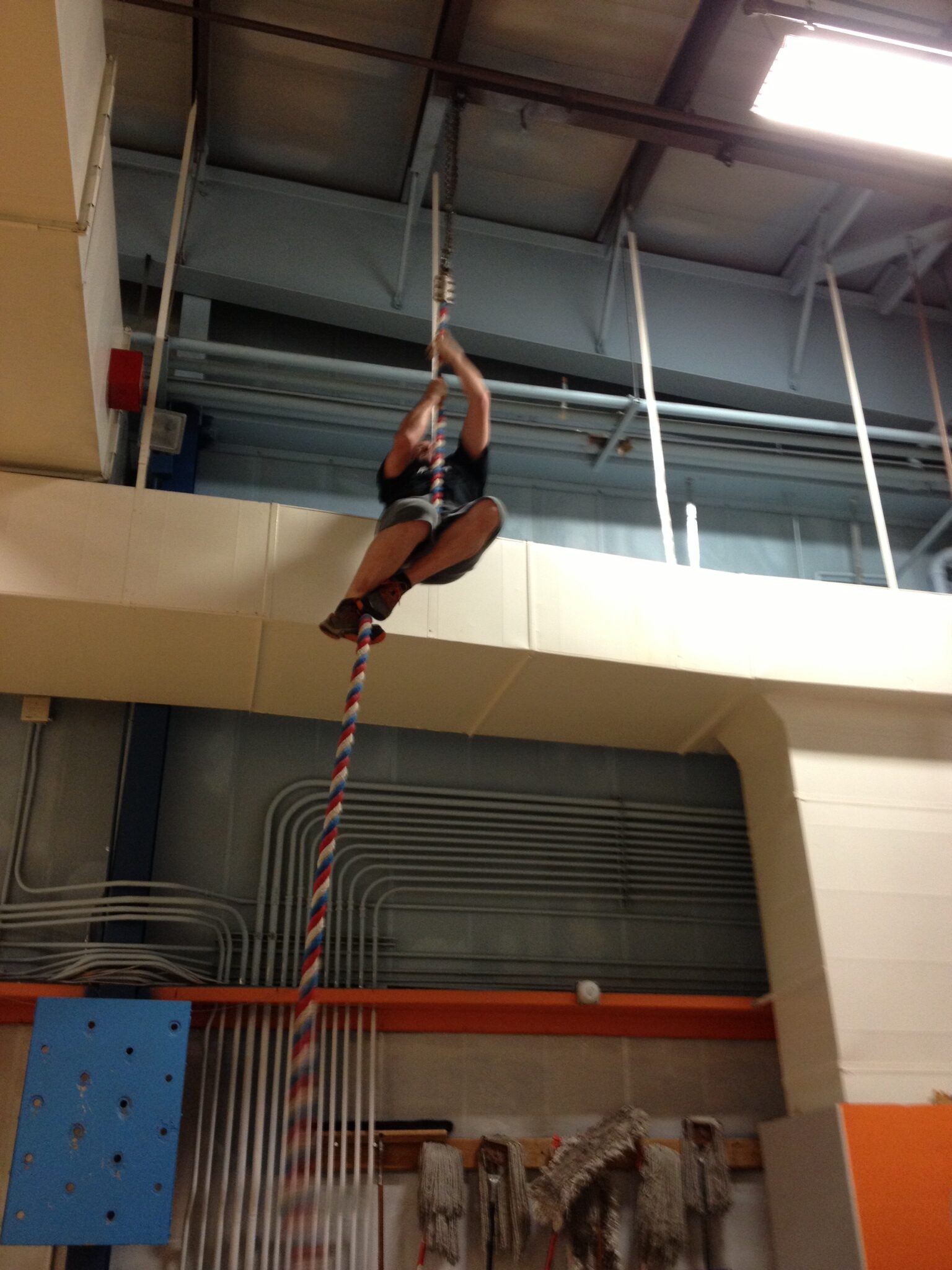
No single modality matches any fight. We train in multiple lanes to build multiple components, and then do things like FoF against freely acting opponents to try to coordinate the components as best we can. Practice pieces, as well as practice integration, and do all as often as you can, and understand there is not a set moment where we arrive at the final stage of being ready. It is a road, not a destination. 
Health and Vitality, not Fitness

If you read any of my previous articles or posts, you probably realize I’m obsessed with clarity of language. I was fortunate with having some high school teachers and college professors who showed me that if we are going to communicate with others, if we are going to try to convince them of our ideas, or we are trying to let them know they are wrong, we need to speak as clearly as possible so there is no chance of miscommunication. Because that leads to wasted time, wasted energy, and probably failure.

That inclination has only been reinforced the past 35 years of being an instructor of hand-to-hand combat and firearm, as well as being associated with master instructors like Craig Douglas, Chris Fry, Tom Givens, as well as many others. We cannot afford shortcuts that lead to misunderstandings if we are teaching and talking about things that may save lives or prevent injury, and it is crucial we must be understood perfectly.

Following that, I sometimes take issue with certain terms or descriptors in the training community. Some people have been upset about it and take me to task (the things written and said about me when I pointed out “stress inoculation” is not really a true thing was amazing, especially since much of it came from people I considered friends) and some people say I’m being pedantic. Possibly they are right on that last point, but I prefer to err on the side of clarity. In that vein, I no longer use the term “Fitness” to describe a certain aspect of training.

Unfortunately while Fitness is arguably a good descriptor, it has gotten tied up with certain specific imagery and concepts, and it has become easy for people who don’t want to do the work to become fit to use that terminology as a way to disparage the very idea.

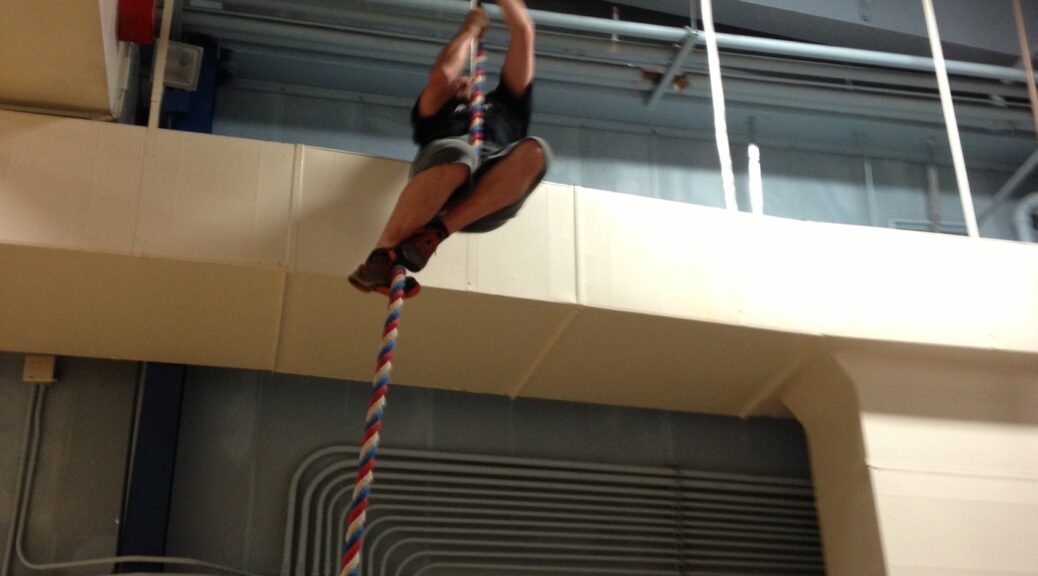
For a good amount of time now, I only use the terms health or vitality to get the idea across that it is key to everything we do in self-preservation. Fitness has been co-opted and used almost solely to describe super heavy duty and hardcore strength and conditioning type work. Too often people assume you are only talking about long, extended and debilitating work that involves incredibly restrictive dieting, long hours every day lifting weights or running or on stationary bikes or using foam rollers etc. And that to be “fit”, you must have a body fat of 5%.

While these things may be part of fitness, they are only part. It is like saying defensive handgun use only involves long hours running and gunning in USPSA matches, or doing complex team room clearing exercises as if you are a SWAT team. Health and vitality encapsulates so much more. It is truly at its essence is all about having the ability to live your life to the nth degree and enjoy the things we should enjoy and do so comfortably without much effort. Unless you are a professional gunbearer who must run to the sound of guns, or you are involved in extended criminal activity, the chance you will get into a gunfight is very small. However the chance you will die of a heart attack, a stroke, cancer, diabetes, Alzheimers or similar issues is on a monumental order of magnitude greater.

And beyond that is the ability to pick our kid up and carry them for miles when they get tired at Disneyland. Or pick them up and carry them when you are caught in a natural disaster and need to get to safety. Or grab them and run when your house is on fire. What if you are involved in a car wreck? Can you get your way into the vehicle and pull your kids or spouse out? Do you even have the ability to move yourself unaided for distance in a timely manner? Years ago, my extended family went to Disneyland and the hotel we were at had a giant fire in the lobby (a huge Xmas tree there caught fire) and we had to evacuate at 3 in the morning. I carried my grandmother (who had to use a wheelchair) down five flights of stairs and about a half mile away until we were able to use the wheelchair, while my brother carried his two kids. I did not have to draw my tacti-cool gun and shoot down marauding Ninjas, but I did need to save her life and it had nothing to do with “fighting” but only with health and vitality.

In other words, are you an asset to your loved ones, or are you a liability? If all you bring to the table is a subsecond draw, then you are not the former at all.

When someone argues that “fitness” is not important in self-preservation, they expose their personal bias, and narrow frame of reference. Getting killed by a bad guy is low on the list of threats in the first place, so focusing exclusively there is equal to trying to figure out how many angels can dance on the head of a pin. Absolutely we need to work on the skillset to handle that niche, but we also need to look more broadly. Being a great gunfighter is awesome, but it does you little good if you stroke out at 52 and leave your family without you.

Entangled Fight Friday

I am a history nerd, especially when it comes to self-preservation studies. 

It is crucial that we learn from those who came before us, mostly so we don’t waste time. Certainly we don’t wan too waste time on doing the wrong thing so looking to what has already been shown can prevent that. But there is another issue as well. We don’t want to waste time reinventing the wheel. 

Why is that so critical? Because unless we are trust fund babies of a billionaire, we have limited to train, practice and learn. There are so many things we need to learn, and all of them require a significant amount of time served before the information becomes functional. So in order to cut that curve down. let’s see what has already been proven to work to speed us along the path. 

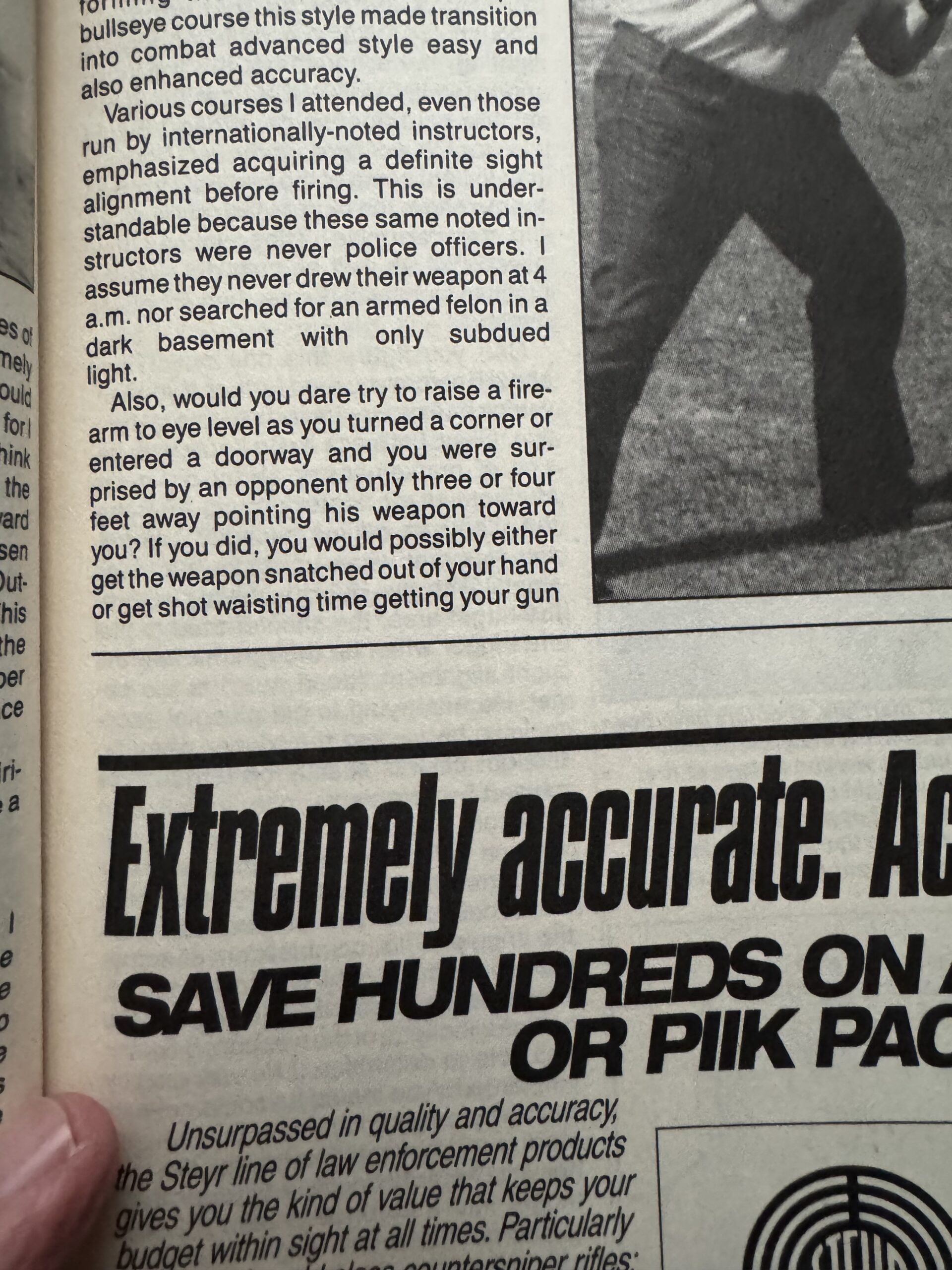
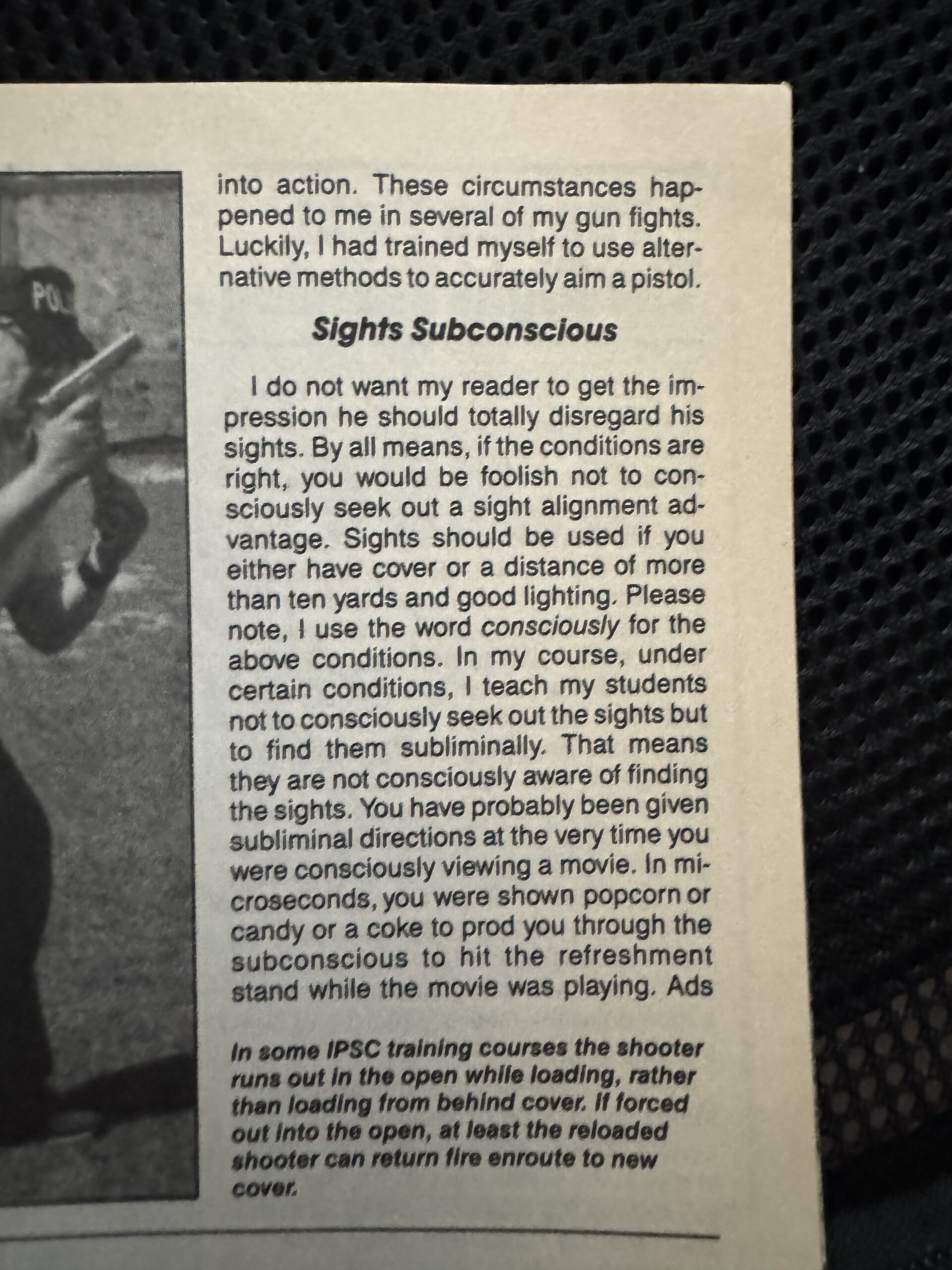
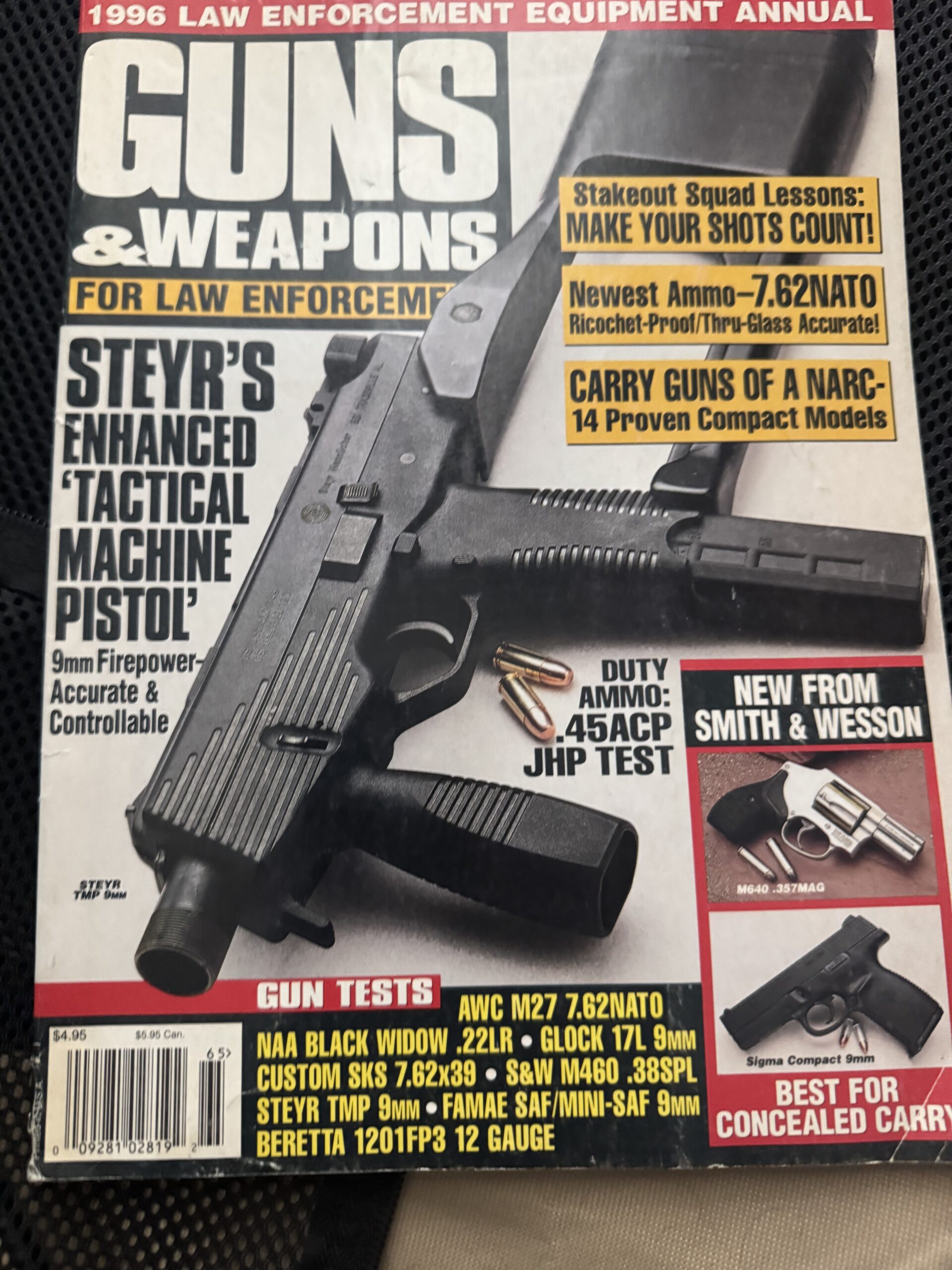
One key place to look is in the lives of the been there, done that crowd. For them, this is not theory, but how they stayed alive. One of the greatest in that regard is Jim Cirillo, who is one of the most experienced gunfighters of the 20th century, with multiple documented gunfights. We are blessed not only to know about him, but also in that he wrote and talked about his experiences fairly deeply. He wrote one book, and produced two videos, but did many interviews and he himself authored many, many magazine articles, as well as taught classes public in the 1980’s and 90’s. When he says something about how, what, and why that we need to understand about surviving a gunfight, we need to close our mouths and listen. 

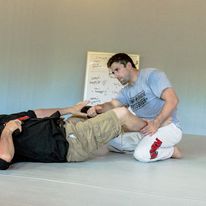
The accompanying pictures are from an article he wrote for a magazine in 1996, in which he clearly states the absolute possibility that the gunfight may very well take place at contact or near contact distance, and the you need to plan and train accordingly, and that you need specific techniques to deal with it.

We probably should listen to a true authority like him. 

Book Monday

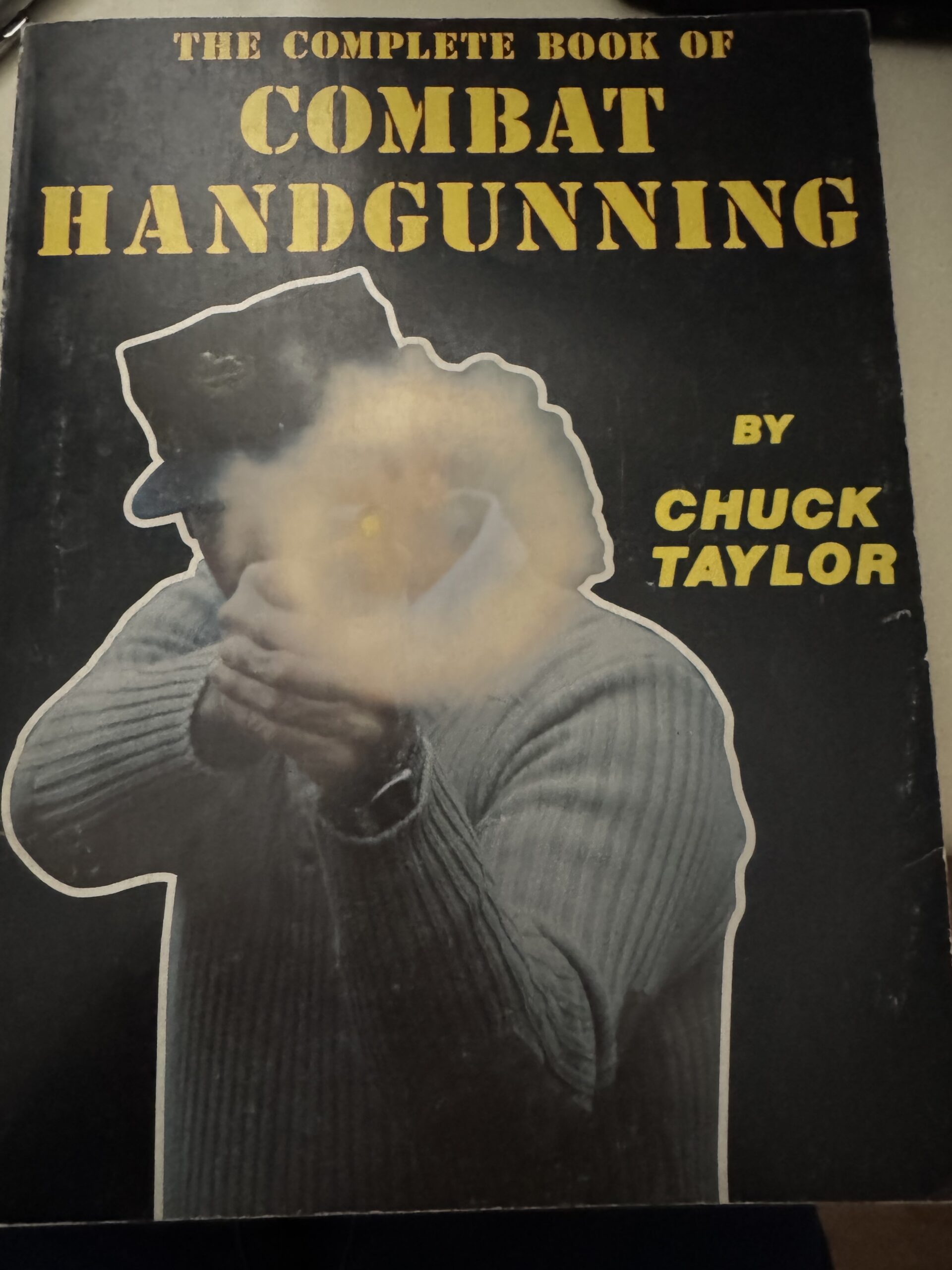
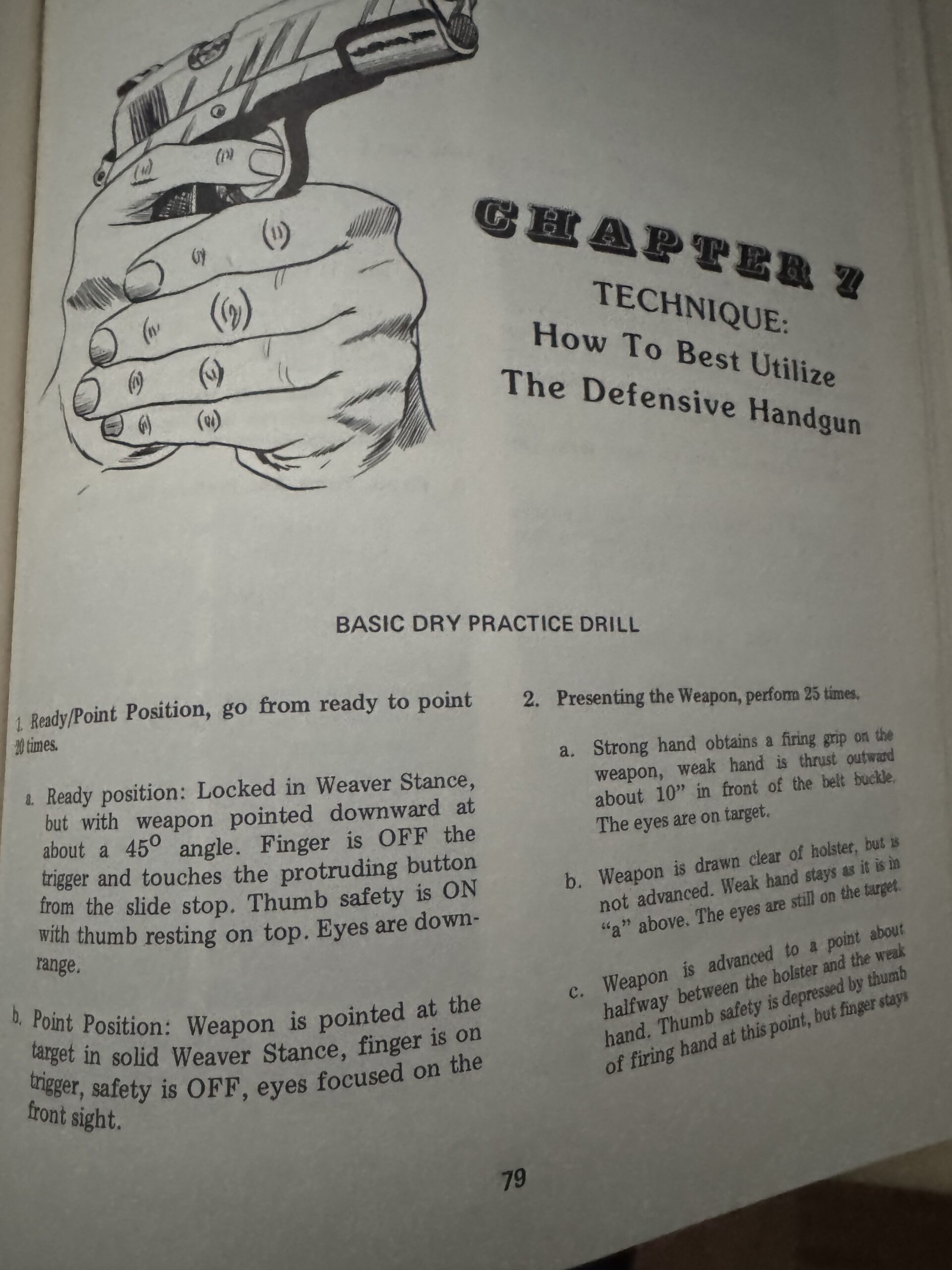
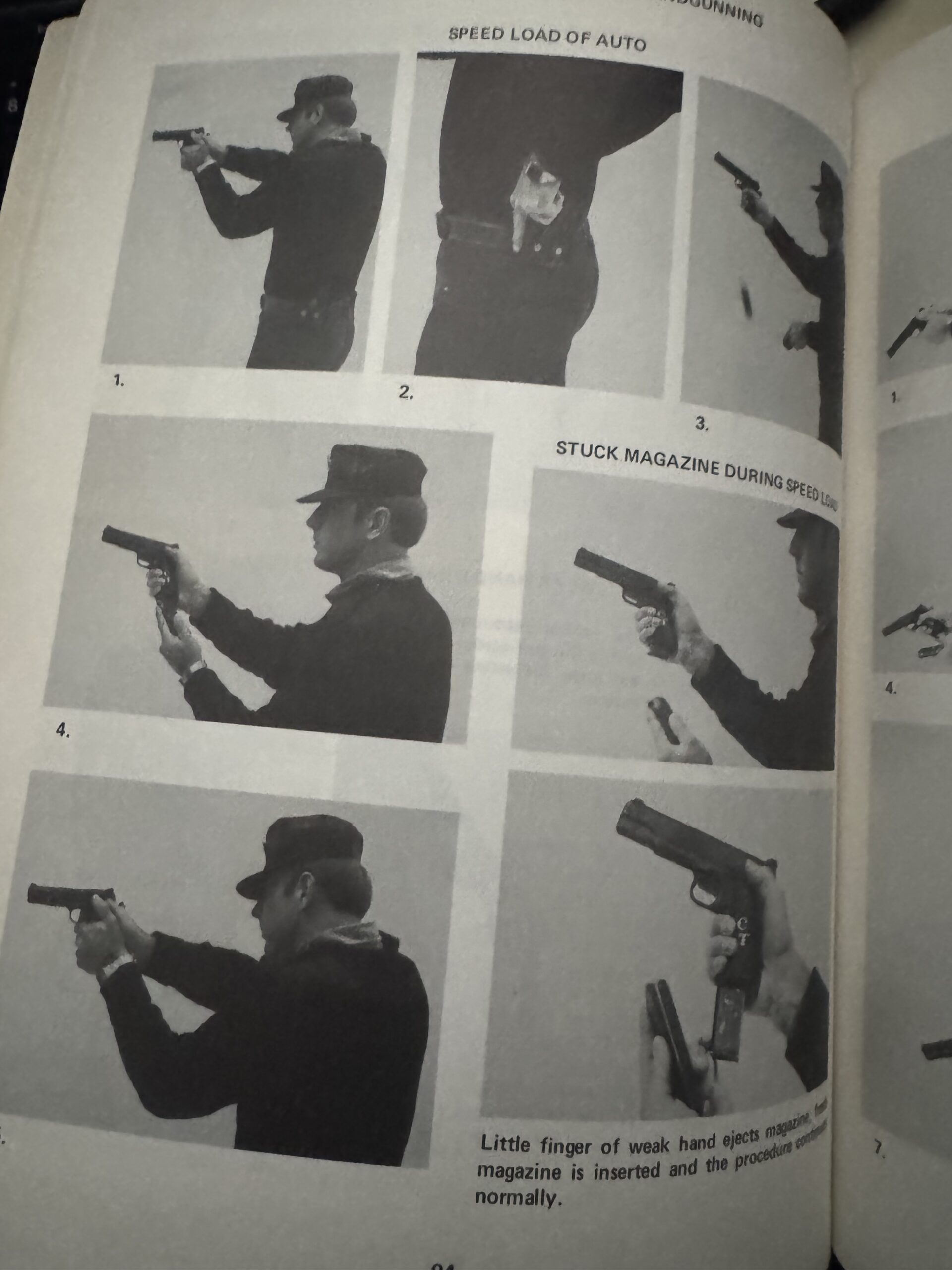
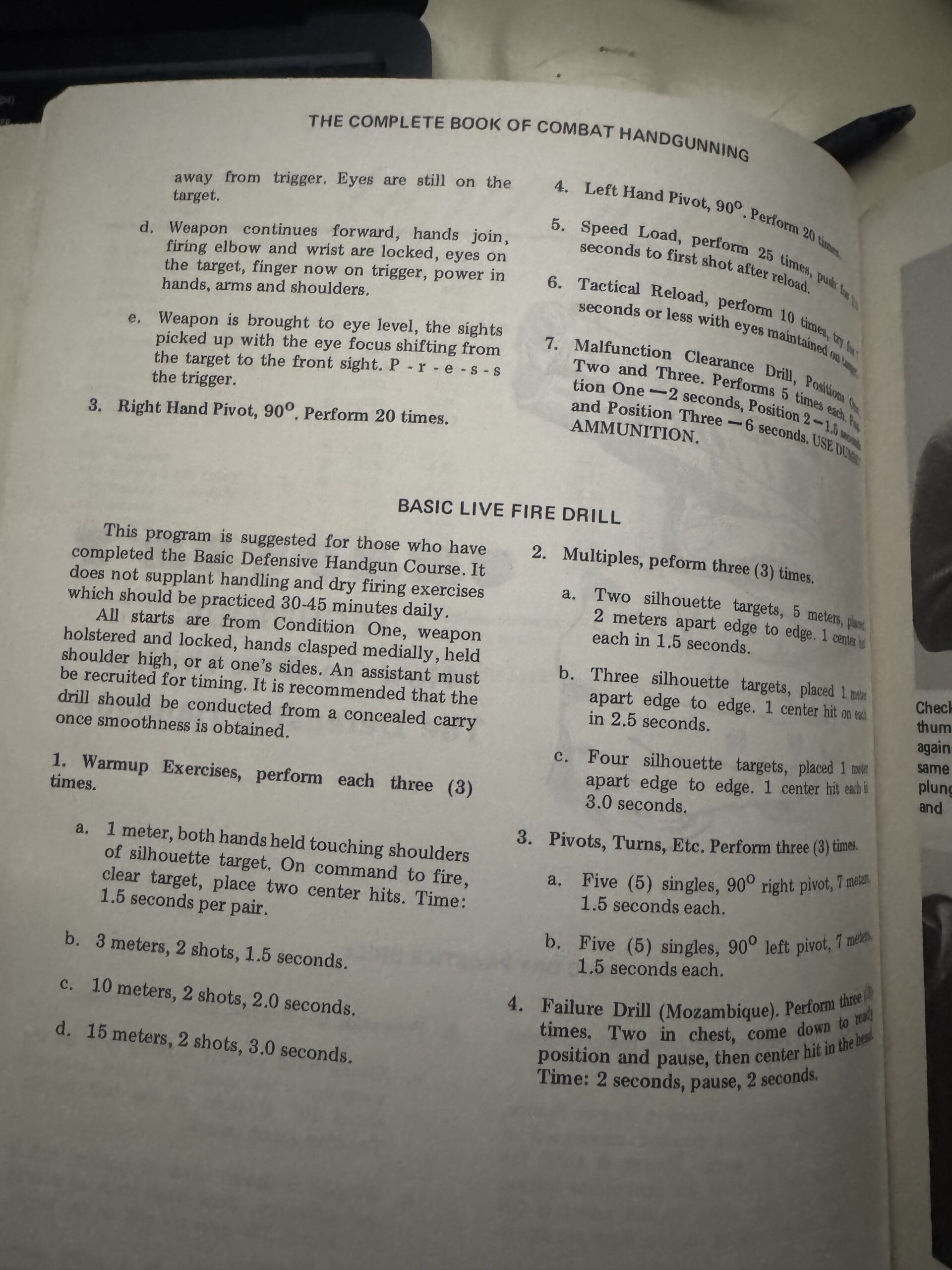
Book Monday – Today’s recommendation is a sadly overlooked and unappreciated book from 1982. Chuck Taylor was so important in the 80’s. He was a prolific writer, one of the first traveling instructors (after leaving Gunsite) and his first book was about the only easily available one covering modern defensive pistol use for years. It’s a solid book even today, with a good deal of still useful information. And as a historical item, it was so important to where we are today. It’s a shame Taylor and his works are little talked about. Cecil says look him up, and try to find his books.